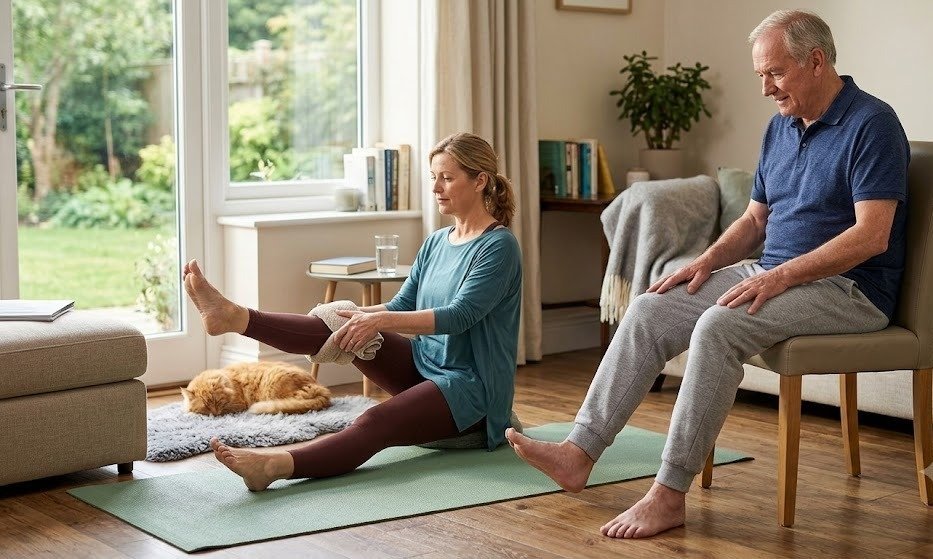
Joint pain can make even simple daily activities feel challenging. Walking, climbing stairs, getting out of bed, or lifting everyday objects may become uncomfortable when your joints are stiff or inflamed. While medications and professional treatment have their place, regular low-impact exercise is one of the most effective ways to reduce pain, improve flexibility, and strengthen the muscles that support your joints.
Along with staying active, many people also use a pain relief oil or knee pain cream to help soothe sore muscles and joints before or after exercising. When combined with a consistent movement routine, topical pain relief products can help improve comfort and encourage regular physical activity.
In this guide, we’ll explore the best exercises for joint pain relief at home, along with practical tips to help you move safely.
Why Exercise Helps Joint Pain
Many people believe resting painful joints is the best solution. However, prolonged inactivity often makes stiffness worse.
Regular exercise can:
-
Improve joint flexibility
-
Strengthen muscles that support the joints
-
Increase blood circulation
-
Reduce stiffness
-
Improve balance and coordination
-
Help maintain a healthy body weight
-
Lower the risk of future joint injuries
The key is choosing gentle, low-impact exercises that don’t place excessive stress on painful joints.
Warm Up Before You Begin
Always spend 5 to 10 minutes warming up before exercising.
Simple warm-up activities include:
-
Marching in place
-
Shoulder rolls
-
Gentle arm circles
-
Slow ankle rotations
-
Light walking around the house
Many people also massage a pain relief oil into sore muscles before warming up to help relax tight areas and improve comfort during movement.
1. Heel Slides for Knee Mobility
Heel slides are excellent for improving knee flexibility without placing too much pressure on the joint.
How to do it
-
Lie on your back.
-
Keep one leg straight.
-
Slowly slide the other heel toward your hips.
-
Hold for 3 seconds.
-
Slowly return to the starting position.
Repeat 10–15 times on each leg.
This exercise is especially helpful for people recovering from knee stiffness or mild arthritis.
2. Straight Leg Raises
Strong thigh muscles reduce pressure on the knees.
Steps
-
Lie flat on your back.
-
Bend one knee while keeping the other leg straight.
-
Lift the straight leg about 12 inches.
-
Hold for 5 seconds.
-
Lower slowly.
Perform 10 repetitions per leg.
After exercising, applying a knee pain cream around the knee area may provide temporary relief from soreness.
3. Chair Squats
Chair squats strengthen the hips, thighs, and knees.
Instructions
-
Stand in front of a sturdy chair.
-
Slowly lower yourself until your hips lightly touch the chair.
-
Stand back up.
-
Repeat 10 times.
Avoid dropping quickly into the chair.
This movement improves balance and builds the muscles that protect the knee joint.
4. Wall Push-Ups
Joint pain isn’t limited to the knees. Shoulder and wrist discomfort also benefit from gentle strengthening.
How to perform
-
Stand facing a wall.
-
Place your palms on the wall.
-
Bend your elbows slowly.
-
Push yourself back.
Complete 10–15 repetitions.
This exercise strengthens the chest, shoulders, and arms without placing excessive stress on the joints.
5. Ankle Circles
Healthy ankles improve walking stability and reduce strain on the knees.
Steps
-
Sit comfortably.
-
Lift one foot.
-
Rotate your ankle clockwise 10 times.
-
Rotate counterclockwise 10 times.
-
Switch feet.
Simple movements like these improve circulation and joint mobility.
6. Seated Knee Extensions
This is one of the safest exercises for people with knee discomfort.
Instructions
-
Sit on a chair.
-
Slowly straighten one leg.
-
Hold for 5 seconds.
-
Lower slowly.
Repeat 10–15 times for each leg.
Many people prefer applying knee pain cream before this exercise if the knees feel particularly stiff.
7. Shoulder Rolls
Shoulder stiffness is common among people who spend long hours at a desk.
Perform this exercise
-
Lift your shoulders.
-
Roll them backward.
-
Then roll them forward.
Repeat 15 times.
This improves mobility while reducing upper body tension.
8. Cat-Cow Stretch
This gentle yoga movement supports spinal flexibility and relieves back stiffness.
How to do it
-
Start on your hands and knees.
-
Arch your back upward.
-
Slowly lower your stomach while lifting your head.
-
Repeat for 10 cycles.
Move slowly and avoid forcing the stretch.
9. Standing Calf Stretch
Tight calves can change your walking pattern and increase knee stress.
Instructions
-
Stand facing a wall.
-
Place one foot behind you.
-
Keep the back heel on the floor.
-
Lean forward gently.
Hold for 20 seconds.
Repeat on both legs.
10. Gentle Walking
Walking remains one of the best exercises for overall joint health.
Start with:
-
10 minutes daily
-
Comfortable footwear
-
Flat surfaces
-
Slow pace
Gradually increase to 30 minutes as your comfort improves.
Using a pain relief oil after walking can help relax tired muscles and reduce post-exercise discomfort.
Lifestyle Tips to Support Joint Health
Exercise works even better when combined with healthy daily habits.
Maintain a Healthy Weight
Extra body weight increases pressure on weight-bearing joints, particularly the knees and hips.
Stay Hydrated
Water supports healthy cartilage and helps keep joints lubricated.
Eat Anti-Inflammatory Foods
Include foods like:
-
Fatty fish
-
Walnuts
-
Turmeric
-
Ginger
-
Leafy greens
-
Berries
These may help reduce inflammation naturally.
Sleep Well
Quality sleep allows your muscles and joints to recover after daily activity.
When Should You Use Pain Relief Products?
Topical products don’t replace exercise, but they can complement your routine.
A pain relief oil may be useful:
-
Before stretching
-
After walking
-
Following light workouts
-
For temporary muscle stiffness
Similarly, a knee pain cream can provide localized comfort after exercise or during periods of increased activity.
Products like reset are commonly chosen by individuals seeking targeted topical support for everyday joint and muscle discomfort. When used as directed alongside regular exercise and healthy lifestyle habits, Reset can become part of an overall joint care routine.
Safety Tips
Stop exercising immediately if you experience:
-
Sharp pain
-
Joint swelling
-
Dizziness
-
Loss of balance
-
Severe discomfort
Consult a healthcare professional if pain continues or worsens.
Remember, mild muscle soreness after exercise is normal, but intense joint pain is not.
Final Thoughts
Living with joint pain doesn’t mean giving up an active lifestyle. Gentle home exercises can improve flexibility, strengthen supporting muscles, and reduce stiffness over time. Consistency is more important than intensity, so even 20 minutes of movement each day can make a noticeable difference.
To enhance your comfort, many people pair their exercise routine with a pain relief oil or knee pain cream, especially before or after physical activity. Products like Reset can offer targeted topical relief that supports your daily movement routine.
With regular exercise, healthy habits, and the right supportive care, you can improve mobility, stay active, and enjoy a better quality of life—one step at a time.