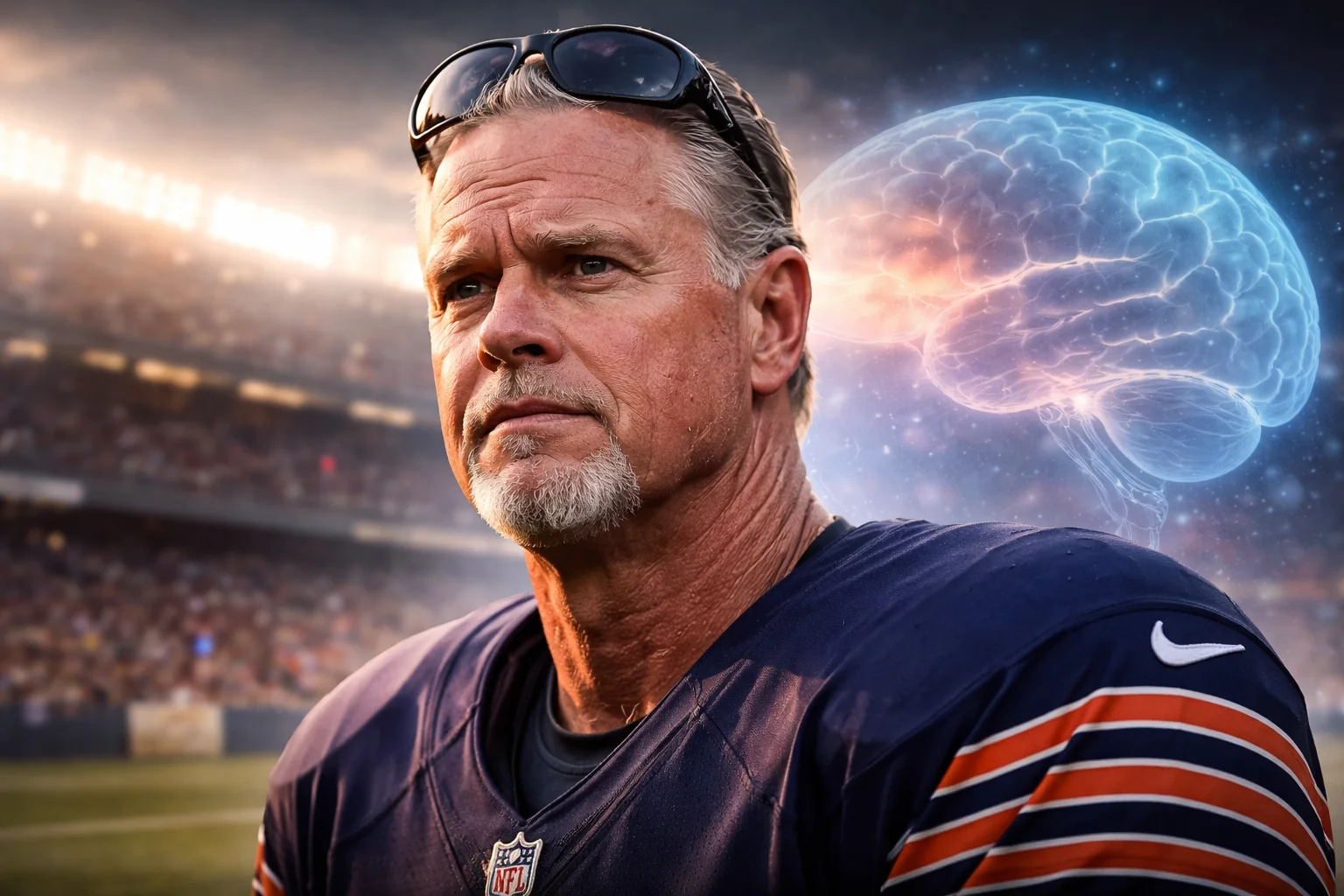
Jim McMahon, a name synonymous with NFL excellence, rose to fame as the charismatic quarterback for the Chicago Bears, leading them to victory in Super Bowl XX. However, beyond his illustrious career, Jim McMahon health has become a topic of significant interest and concern. This article delves into the complexities of Jim McMahon’s health, exploring his journey through injuries, medical diagnoses, advocacy efforts, and the broader implications for NFL players’ health.
Jim McMahon’s Health Journey
Early Career and Initial Health Issues
Jim McMahon’s career began with immense promise, but it was soon marred by a series of injuries. As a quarterback, McMahon endured repeated physical trauma, including shoulder injuries and concussions. These early health challenges set the stage for the more severe issues he would face later in life. Despite the rigorous demands of the NFL, McMahon’s resilience was evident as he continued to perform at a high level.
Post-NFL Health Challenges
After retiring from professional football, Jim McMahon faced a new set of health challenges. The long-term effects of repeated concussions became more pronounced, leading to cognitive decline and chronic pain. These issues are emblematic of the struggles many former NFL players face, shedding light on the lasting impact of sports-related injuries.
Medical Diagnoses and Treatments
Understanding CTE and Its Effects
One of the most significant concerns surrounding Jim McMahon’s health is Chronic Traumatic Encephalopathy (CTE), a progressive brain condition associated with repeated head impacts. CTE has been diagnosed in numerous former NFL players, highlighting the risks associated with the sport. While McMahon has not been formally diagnosed with CTE, his symptoms align with those observed in the condition, including memory loss, depression, and impaired cognitive function.
Treatments Undertaken by McMahon
Jim McMahon has undergone various treatments to manage his health issues. These include:
- Chiropractic Therapy: To alleviate neck pain and improve cerebrospinal fluid flow.
- Stem Cell Therapy: Aimed at regenerating damaged tissues.
- Hyperbaric Oxygen Therapy: Used to enhance healing and brain function.
These treatments, while innovative, underscore the ongoing challenges in addressing the long-term health effects experienced by former athletes.
See also Essr Walter Bushnell Vision and Mission – Empowering Healthcare Digitally
Comparative Health Analysis
| Aspect | Jim McMahon | Average NFL Player |
|---|---|---|
| Concussions | Multiple documented | Common among players |
| CTE Symptoms | Exhibited | Increasingly prevalent |
| Pain Management | Ongoing treatments | Varies by individual |
| Post-Retirement Health | Cognitive decline | Varies significantly |
| Advocacy Efforts | Active | Varies among players |
Advocacy and Awareness Efforts
Public Statements and Interviews
Jim McMahon has been vocal about his health struggles, using his platform to raise awareness about the risks associated with professional football. His candid discussions about pain management and cognitive decline have contributed to a broader dialogue on player safety.
Participation in Health Initiatives
Beyond public statements, McMahon actively participates in initiatives aimed at improving player health. He has supported research into CTE and advocated for changes in NFL health protocols. His efforts highlight the importance of addressing long-term health concerns for current and former players.
Expert Opinions
Insights from Medical Professionals
Medical professionals emphasize the critical need for early intervention and comprehensive care for athletes experiencing head trauma. Dr. Ann McKee, a leading CTE researcher, stresses the importance of understanding the disease’s progression and finding effective treatments. These insights underscore the complexity of managing health conditions like those faced by Jim McMahon.
Case Study: Impact of Football on Long-term Health
Consider the case of another former NFL player, Junior Seau, whose tragic death was linked to CTE. His story parallels McMahon’s in many ways, highlighting the potential consequences of repeated head injuries. Studies have shown that NFL players are at a significantly higher risk of developing neurodegenerative diseases, reinforcing the need for continued research and preventive measures.
Conclusion
Jim McMahon’s health journey is a testament to the enduring impact of a career in professional football. His experiences reflect broader issues facing former athletes, particularly regarding brain health and chronic pain management. As McMahon continues to advocate for improved player safety and medical research, his story serves as both a cautionary tale and a catalyst for change.
For sports fans and health advocates alike, understanding the complexities of Jim McMahon’s health offers valuable insights into the challenges faced by retired athletes. It also underscores the importance of ongoing research and innovation in medical treatments to better support those who have dedicated their lives to the sport.
FAQs
What health issues does Jim McMahon suffer from?
Jim McMahon has dealt with chronic pain, cognitive decline, and symptoms associated with CTE, a condition linked to repeated head trauma.
How has CTE affected Jim McMahon?
While not formally diagnosed with CTE, McMahon exhibits symptoms like memory loss and depression, common among those with the condition.
What treatments has Jim McMahon undergone?
He has explored chiropractic therapy, stem cell therapy, and hyperbaric oxygen therapy to manage his health issues.
Is Jim McMahon involved in health advocacy?
Yes, McMahon is an active advocate for player safety and supports research into CTE and related health concerns.
How does Jim McMahon’s health compare to other NFL players?
McMahon’s health challenges are similar to those faced by many former players, emphasizing the need for comprehensive care and research.
What are the long-term effects of concussions in NFL players?
Long-term effects can include cognitive decline, mood disorders, and an increased risk of neurodegenerative diseases.
What is the NFL doing to address player health concerns?
The NFL has implemented protocols to reduce head injuries and supports ongoing research into player health and safety.