Ensuring safety in the workplace is not just a regulatory requirement—it’s a moral obligation to protect employees from potential hazards. Whether you’re managing a bustling construction site or a quiet office, equipping your staff with the best safety equipment is crucial. But what constitutes the best safety equipment, and how do you choose what’s right for your environment?
Understanding the Basics of Safety Equipment
Before diving into the specifics, it’s essential to understand the core purpose of safety equipment. At its heart, safety equipment is designed to protect workers from injuries, illnesses, and fatalities. This encompasses a wide range of gear, from personal protective equipment (PPE) like helmets, gloves, and goggles to broader systems like fall protection gear and emergency response tools.
When considering what is the best safety equipment for your workplace, begin by assessing the potential risks present in your environment. For example, a construction site will have different requirements compared to a healthcare setting. Identifying these risks helps in tailoring the safety measures effectively.
Types of Safety Equipment Essential for Various Workplaces
Once the risks are identified, the next step is choosing the appropriate equipment. Here are some standard categories of safety equipment across different industries:
Personal Protective Equipment (PPE)
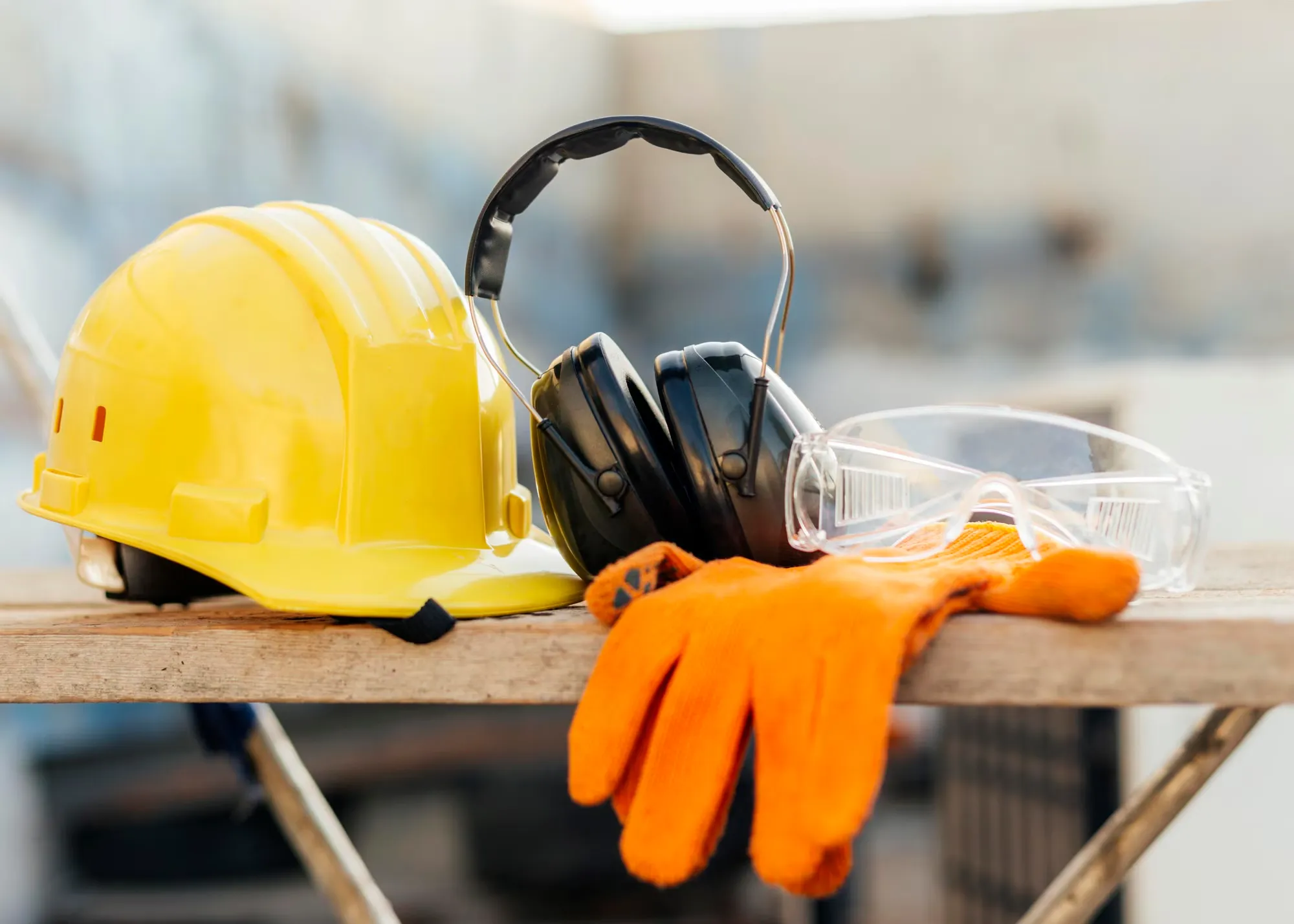
PPE is the frontline defense against workplace hazards. This includes helmets to protect from head injuries, gloves for hand safety, goggles for eye protection, and respirators to guard against inhaling harmful substances. Each of these items serves a specific purpose and is usually required in environments where workers are exposed to potential physical harm.
Fire Safety Equipment
Fire-related incidents can happen anywhere, making fire safety equipment indispensable. This category includes fire extinguishers, smoke alarms, and fire blankets. Regular maintenance and training on using these tools can dramatically reduce the risk of fire-related accidents.
Industrial Safety Equipment
In industrial settings, equipment like safety harnesses, high-visibility clothing, and ear protection are critical. These items help prevent falls, improve visibility in dangerous conditions, and protect against excessive noise exposure, respectively. Ensuring they meet OSHA standards is non-negotiable for compliance and safety.
Choosing the Right Safety Equipment: What to Consider
Choosing the best safety equipment is not just about compliance; it’s about investing in products that genuinely protect employees. Here are some key considerations:
Quality and Durability: Always prioritize equipment that meets national safety standards. Durable materials ensure longevity and reliability, reducing the need for frequent replacements.
Fit and Comfort: Equipment must be comfortable to wear for extended periods. Ill-fitting gear can lead to resistance in usage, defeating its purpose. Consider customization options to improve comfort and fit.
Cost-Effectiveness: While it’s tempting to save on costs, compromising on quality can lead to higher expenses in the long run due to accidents or equipment failure. Evaluate the cost versus quality to make informed purchasing decisions.
Maintaining Safety Equipment: Key Practices
Maintenance is as crucial as the initial purchase. Regular inspections ensure that all equipment remains in optimal condition and continues to provide the intended protection. Here are some maintenance tips:
Regular Inspections: Schedule periodic checks to identify wear and tear early. This can prevent equipment failure during critical times.
Proper Cleaning and Storage: Clean equipment according to manufacturer guidelines and store it in conditions that prevent damage. This extends the lifespan of the gear.
Training and Awareness: Regular training sessions on the correct usage and maintenance of equipment can empower employees to take ownership of their safety gear.
Frequently Asked Questions
What is the most essential safety equipment for a construction site?
Construction sites typically require helmets, safety harnesses, and high-visibility clothing as fundamental safety equipment.
How do I choose the right personal protective equipment?
Assess the specific risks in your workplace and choose PPE that offers the necessary protection. Ensure it meets safety standards and fits well.
What are the latest innovations in safety equipment?
Technological advancements like IoT-integrated helmets and AI-powered monitoring systems are transforming safety equipment, offering real-time hazard detection and prevention.
How can small businesses afford quality safety gear?
Small businesses can explore bulk purchasing discounts, leasing options, or government grants and subsidies aimed at improving workplace safety.
What are common maintenance tips for safety equipment?
Regular inspections, proper cleaning, and employee training are key to maintaining the efficiency and longevity of safety equipment.
Investing in the best safety equipment is an investment in your workforce’s well-being and productivity. As businesses navigate the complexities of safety regulations and evolving industry standards, prioritizing robust and reliable safety gear remains paramount. Encourage a culture of safety and ensure that every piece of equipment is used as intended, fostering a safer and more productive work environment.